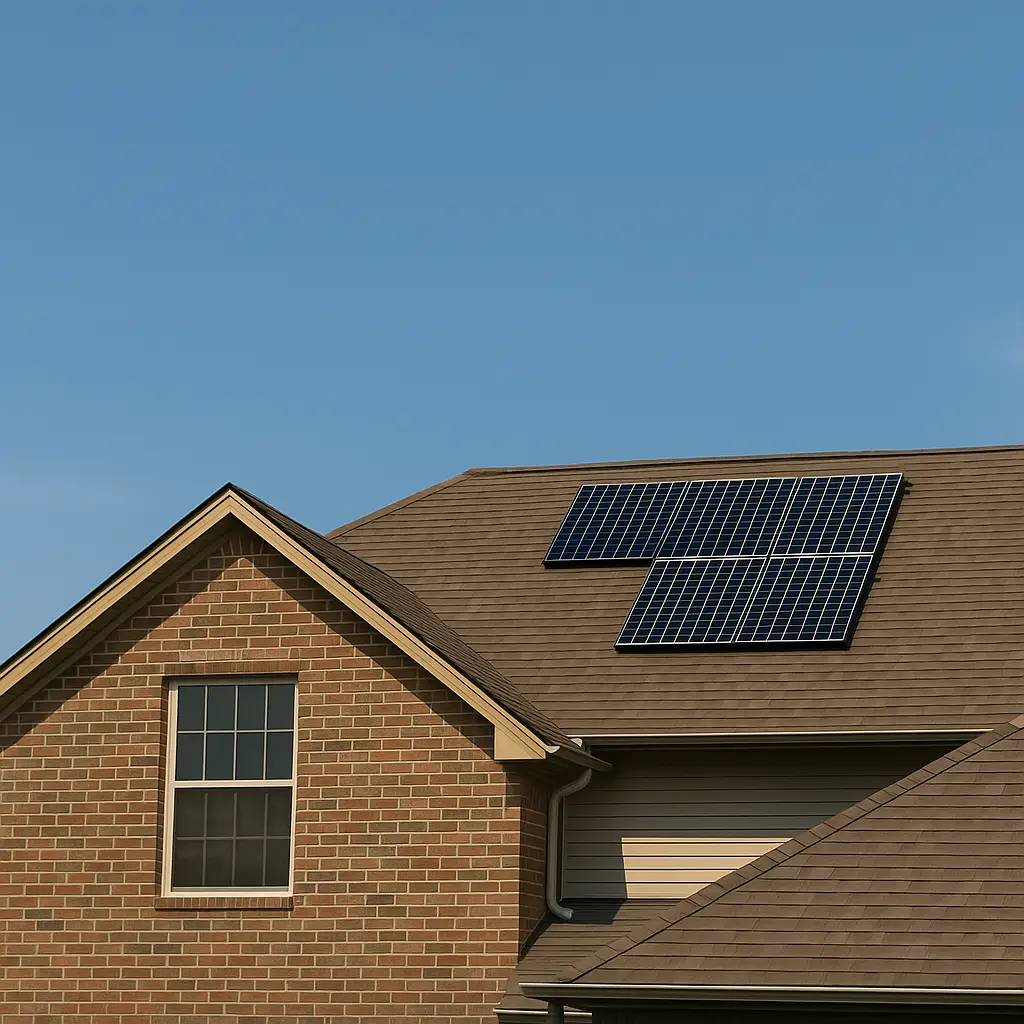
Understanding Solar Power Purchase Agreements (PPA): A Complete Guide
Unlock the potential of solar energy. Discover how a Solar Power Purchase Agreement (PPA) can power your savings and sustainability in Texas with zero upfront capital.
What is a Solar Power Purchase Agreement (PPA)?
A Solar Power Purchase Agreement (PPA) is a financial arrangement in which a third-party developer installs, owns, and operates a solar energy system on a customer's property. The customer then agrees to purchase the generated electricity from the developer at a predetermined rate, typically lower than the local utility's rate. This arrangement allows customers to benefit from a Solar Power Purchase Agreement (PPA) without the need for upfront capital investment or the responsibility of system maintenance. According to guidelines from the Environmental Protection Agency (EPA), this structure facilitates clean energy deployment at scale.
Solar Power Purchase Agreements (PPA) are becoming increasingly popular as they offer a viable solution for businesses, municipalities, and homeowners to transition to renewable energy. By entering into this agreement, customers can lock in lower energy costs, hedge against future utility rate increases, and contribute to environmental sustainability by reducing their carbon footprint.
These contracts generally have terms ranging from 10 to 25 years, providing long-term energy cost predictability. As the solar system owner, the developer is responsible for all aspects of the system, including installation, operation, and maintenance. This allows the customer to enjoy the benefits without the complexities associated with owning and managing a solar array.
Key Components of a Solar Power Purchase Agreement (PPA)
Several key components define the structure and functionality of a Solar Power Purchase Agreement (PPA). Understanding these specific components is crucial to comprehending how they work and evaluating whether they are a suitable option for your energy needs.
- The Purchase Rate: The first critical component is the rate at which electricity is purchased. This rate is typically lower than the local utility's electricity rate, providing immediate savings. It can be fixed or may include an escalator.
- Term Length: Another essential component is the term length of the agreement. Solar Power Purchase Agreements (PPA) usually span 10 to 25 years, during which the customer commits to purchasing the generated electricity.
- Performance Guarantees: Ensures that the solar system will produce a specified amount of electricity, and if it falls short, the developer may face penalties.
- Maintenance Provisions: Outlines the developer's responsibility for system upkeep, ensuring optimal performance throughout the contract term.
Benefits of Entering into a Solar Power Purchase Agreement (PPA)
One of the primary benefits is the immediate cost savings on electricity. Since the rate defined within a Solar Power Purchase Agreement (PPA) is generally lower than the local utility rate, customers can start saving money from day one. This cost advantage makes these agreements particularly appealing for businesses and municipalities with high energy consumption, as it can lead to substantial savings over the contract term.
Another significant benefit is the elimination of upfront capital investment. The solar developer covers all the costs associated with the installation and maintenance of the solar system. This allows customers to enjoy the benefits of solar energy without the financial burden of purchasing and installing the system themselves. Organizations like the Solar Energy Industries Association consistently highlight this structure as a key driver for commercial solar adoption.
Beyond financial benefits, this structure contributes to environmental sustainability. By opting for a Solar Power Purchase Agreement (PPA), customers reduce their reliance on fossil fuels and lower their carbon footprint. This shift towards renewable energy supports global efforts to combat climate change and promotes a cleaner, greener future. Furthermore, businesses and municipalities can enhance their public image by demonstrating a commitment to sustainability.
How Solar Power Purchase Agreements (PPA) Work: A Step-by-Step Process
Understanding the step-by-step process can provide clarity and confidence when considering this energy solution.
Consultation and Site Assessment
The process generally begins with an initial consultation and site assessment, where the solar developer evaluates the property's suitability for a solar installation. This assessment includes analyzing the roof or land space, sunlight exposure, and energy consumption patterns.
System Design and Contract Drafting
Once the site assessment is complete and the property is deemed suitable, the next step involves designing the solar system and drafting the agreement. The developer customizes the design to maximize energy production. The contract outlines the terms of the arrangement, including the rate, term length, and responsibilities of both parties.
Installation and Operation
After the contract is signed, the developer proceeds with the installation. This includes obtaining necessary permits, sourcing equipment, and completing the installation process. Once the system is operational, the customer begins purchasing the generated electricity while the developer handles all maintenance and performance monitoring.
Types of Solar Power Purchase Agreements (PPA)
Solar Power Purchase Agreements (PPA) come in various forms, each tailored to different customer needs and preferences. Understanding the different types can help customers choose the most suitable option for their energy requirements.
- On-Site Solar Power Purchase Agreement (PPA): The most common type, where the solar system is installed directly on the customer's property, such as a rooftop or ground mount. The customer directly consumes the electricity generated, reducing reliance on the grid. Ideal for properties with sufficient space and sunlight exposure.
- Off-Site Solar Power Purchase Agreement (PPA): The solar system is installed at a separate location. The generated electricity is fed into the grid, and the customer receives credit for the energy produced, applied to their utility bill. Suitable for customers with limited space or unsuitable site conditions.
- Virtual Solar Power Purchase Agreement (PPA): Popular among large corporations. The customer agrees to purchase electricity generated by a system located anywhere in the country. The electricity is sold into the wholesale market, and the customer receives financial benefits through renewable energy credits (RECs) and hedging against energy price volatility.
Financial and Legal Considerations
When considering a Solar Power Purchase Agreement (PPA), it is essential to evaluate the financial implications. One of the primary financial considerations is the rate, which should be compared to current and projected utility rates. A lower rate can result in significant savings over the contract term, but it is crucial to consider any escalator clauses that may increase the rate annually.
Another financial aspect to consider is the potential savings from reduced electricity bills. By generating their own electricity through a third-party developer, customers decrease their reliance on grid electricity, leading to lower utility bills. It is also important to verify the financial stability and technical track record of the solar developer executing the agreement.
Comparing Solar Power Purchase Agreements (PPA) with Other Financing Options
When exploring solar energy solutions, comparing structures is vital to determining the best fit for your home or business needs.
| Financing Option | Upfront Cost | Maintenance | Ownership & Tax Incentives |
|---|---|---|---|
| Solar Power Purchase Agreement (PPA) | $0 | 100% handled by Developer | Developer owns system & claims incentives |
| Direct Ownership (Cash) | High (Purchase Price) | Homeowner's Responsibility | Customer owns system & claims incentives |
| Solar Lease | $0 | Handled by Lessor | Lessor owns system & claims incentives |
| Solar Loans | None (Monthly Payments) | Homeowner's Responsibility | Customer owns system & claims incentives |
Conclusion: Is a Solar Power Purchase Agreement (PPA) Right for You?
Deciding whether a Solar Power Purchase Agreement (PPA) is the right choice depends on various factors, including your energy needs, financial situation, and sustainability goals. These agreements offer numerous benefits, including immediate cost savings, elimination of upfront capital investment, and contribution to environmental sustainability. They provide a viable solution for businesses, municipalities, and homeowners looking to transition to renewable energy without the complexities of system ownership.
Working with a reputable and experienced solar developer like Destined Energy can further ensure a smooth and beneficial transition to solar energy through a structured, transparent agreement.
Start Saving with a Solar Power Purchase Agreement (PPA) Today
Evaluate your exact rate structure, maintenance benefits, and execution timeline with our certified professionals. Start saving on your energy bills in DFW with a zero upfront capital solar solution.
Calculate Your Texas SavingsFrequently Asked Questions
What exactly is a Solar Power Purchase Agreement (PPA) and how does it work?
A Solar Power Purchase Agreement (PPA) is a comprehensive financial contract designed to eliminate the initial capital barriers of transitioning to renewable energy. A specialized developer installs, operates, and maintains a complete solar system on your property. You pay absolutely zero upfront costs. Instead, you purchase the electricity generated by the panels at a fixed, predetermined rate, which is structured to remain lower than standard utility grid tariffs.
Are these agreements available for both residential and commercial properties?
Yes. They are highly versatile financial instruments available for both residential homes and large-scale commercial properties. For homeowners, it provides predictable energy costs without out-of-pocket capital. For commercial entities, it offers massive scalability to drastically reduce operational overhead by deploying extensive solar arrays across warehouse roofs or adjacent land.
Who is legally responsible for maintenance?
Under the strict legal terms of all standard agreements, the third-party solar developer bears 100% of the responsibility for all system maintenance, technical monitoring, and hardware repairs. Because the developer retains ownership of the equipment, the property owner is entirely insulated from unexpected maintenance expenditures.
What happens if I decide to sell my property?
If a property owner decides to sell their home or commercial facility, these agreements are designed to be highly flexible and legally transferable. The most common resolution involves transferring the active agreement directly to the new buyer (assuming they meet standard credit qualifications). Alternatively, many contracts include a defined early buyout clause, allowing the original owner to purchase the system outright prior to the real estate transaction.
Do I receive federal tax incentives when signing?
When you execute a Solar Power Purchase Agreement (PPA), you do not directly claim federal solar tax credits on your personal or corporate tax returns. The solar developer legally owns the hardware and is the sole entity authorized to claim the Clean Electricity Investment Tax Credit. However, you directly benefit indirectly: the developer factors the massive financial value of these tax credits into their economic models, allowing them to offer you a significantly reduced, fixed electricity rate with zero upfront capital.
How do they differ from traditional solar leases?
While both financial structures eliminate upfront capital costs and transfer maintenance responsibilities to a third-party, they differ fundamentally in how the monthly financial obligation is calculated. In a traditional solar lease, you pay a fixed, static monthly rental fee for the equipment. Under a Solar Power Purchase Agreement (PPA), you strictly pay for the exact volumetric amount of kilowatt-hours (kWh) of electricity that the solar system successfully produces.
Residential Energy Solutions — Destined Energy
A complete suite of home energy services across DFW and Texas: residential solar panel installation, Solar Power Purchase Agreements (PPA) (third-party ownership financing), Tesla Powerwall 3 battery storage, Tesla EV Level 2 charger installation (Tesla Universal Wall Connector), Tesla Cybertruck Powershare bidirectional charging setup, SPAN Smart Panel integration, and full solar services including panel maintenance, repair, diagnostics, and professional solar panel detach & reinstall for roof replacements.
Commercial & Utility Solar — Destined Energy
Large-scale solar delivery for Texas businesses and developers: commercial solar installation for offices, retail, warehouses, and industrial sites, plus utility-scale solar projects interconnected to ERCOT. Section 48E strategy, MACRS depreciation guidance, and turnkey project management from engineering through commissioning.
Commercial Electrical — DNRG Electrical Co.
DNRG Electrical Co. is the commercial electrical division and DBA of Destined Energy LLC, operating under the same TECL #38062 license. DNRG delivers three core commercial services statewide in Texas — with a special concentration in DFW: ground-up commercial electrical construction for new developments (offices, retail centers, warehouses, medical facilities, industrial buildings), tenant finish-out electrical installation (restaurants, retail, medical, offices, fitness), and electrical service work including commercial panel upgrades, troubleshooting, and equipment power installations. All work is NEC-compliant, fully insured, and delivered in strict coordination with general contractors, developers, and property managers.