Texas Winter Storm 2026 Home Solar: Essential Backup Guide for Outages
Updated: January 27, 2026 · Location scope: Texas
Texas winter storm 2026 home solar planning became a priority after the late-January 2026 cold event. This technical guide explains what homeowners can verify and design for: power-rated battery output (kW), battery capacity (kWh), smart load management (SPAN-style panels), and EV charging readiness for outage conditions.
This article is informational and does not provide legal, financial, or tax advice. Results depend on equipment specifications, site conditions, permitting, and utility approvals.
Texas winter storm 2026 home solar: what happened and why it matters
Texas experienced a late-January 2026 winter weather event that resulted in outages across multiple regions. Statewide conditions and generation mix can be reviewed through ERCOT’s official dashboard, while local outages often reflect distribution-level impacts (ice, trees, equipment faults, and restoration priorities).
- ERCOT Fuel Mix Dashboard (official)
- PowerOutage.us — Texas outage tracker
- Texas Tribune winter storm updates
Why “power-rated” batteries matter (kW vs kWh)
During winter outages, a battery’s power output (kW) often determines whether your home can start and run essential loads like HVAC blowers, refrigerators, and sump/well pumps. Capacity (kWh) determines runtime, but a low kW rating can prevent startup even when capacity is high.
Quick definitions
- kWh (capacity): how long loads can run (runtime).
- kW (power rating): what loads can start and run at one time (instantaneous output).
Texas winter storm 2026 home solar takeaway
- Prioritize a battery system with adequate kW output for your critical appliances.
- Use load management to reduce battery drain and extend runtime.
Smart load management (SPAN-style panels) vs traditional panels
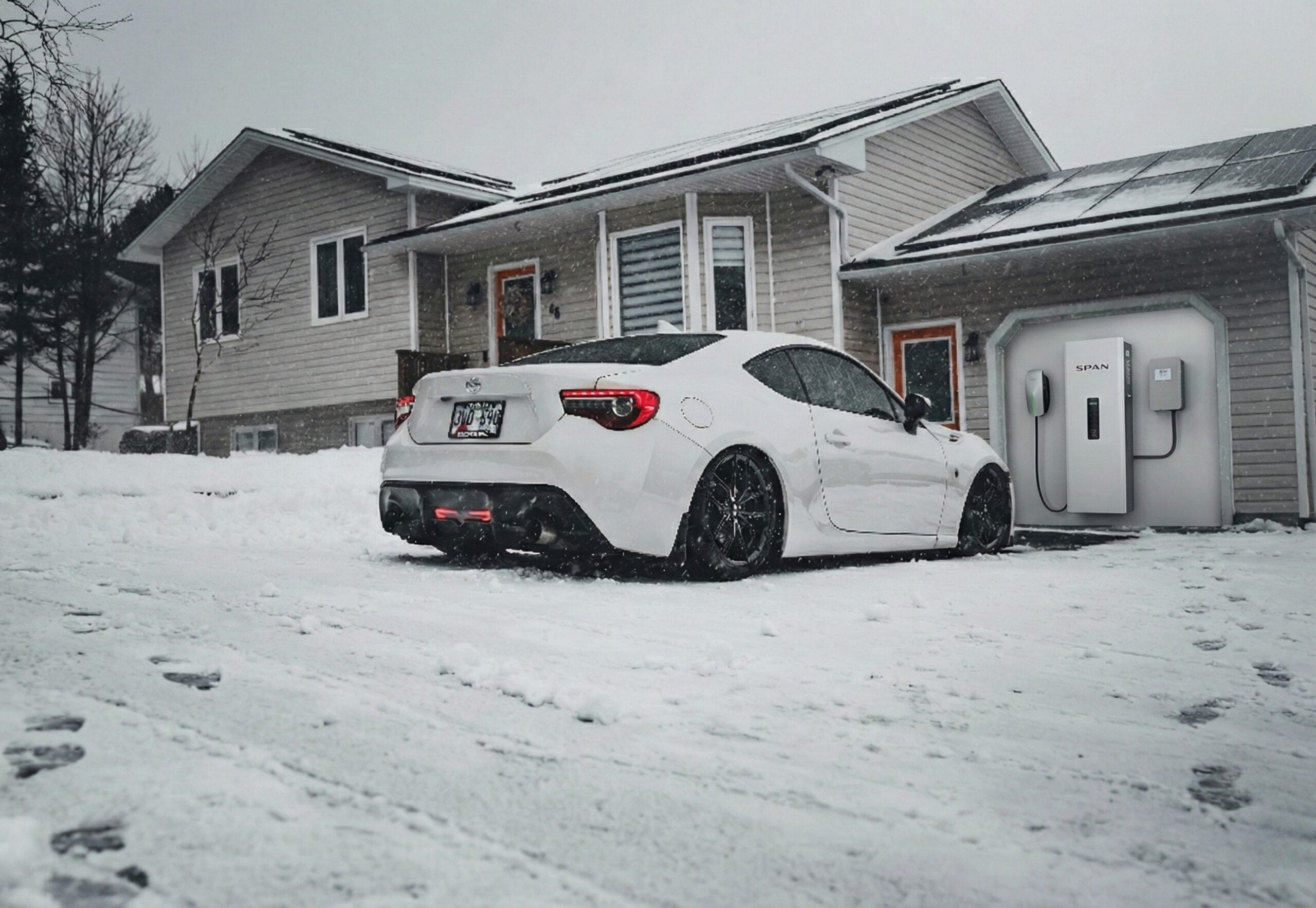
Traditional electrical panels distribute power but do not automatically prioritize circuits during outages. Smart load management helps extend backup runtime by shedding non-essential circuits and protecting battery output for the loads that matter most.
What smart panels add for outage planning
- Circuit-level monitoring: identify high-consumption circuits and standby drains.
- Automated shedding: turn off non-essential loads when battery drops below thresholds.
- Priority tiers: keep refrigeration, communications, and selected HVAC loads online longer.
Official reference: SPAN smart electrical panels
EV charging and resilience in 2026
EVs can support resilience planning when the vehicle and the home electrical system support bidirectional power (V2H/V2L). Standard Level 2 charging does not automatically provide backup power during an outage.
EV readiness questions
- Does your vehicle support V2H/V2L (not just charging)?
- Do you have the required bidirectional charger/inverter hardware?
- Is your load plan compatible with your battery and panel kW limits?
- Do you have safe islanding/transfer equipment?
Solar performance in cold weather
Cold temperatures can improve panel efficiency, but winter storms reduce daily production due to cloud cover and shorter daylight hours. In a texas winter storm 2026 home solar scenario, batteries help by storing available daytime production for evening and overnight loads.
What to expect
When homeowners should consider battery backup in Texas
- Frequent outages from ice, wind, or storm damage
- Work-from-home needs (internet + devices)
- Medical, refrigeration, or other critical-load needs
- Preference for resilience without portable generator logistics
Minimum inputs for a credible design conversation
- 12 months of electric bills (or interval data if available)
- List of critical loads (and whether HVAC is essential)
- Main service amperage and panel condition
- Roof condition and shading constraints
FAQs
How long can a home battery run during an outage?
Runtime depends on battery capacity (kWh), power output (kW), and load management. Prioritizing essential circuits and shedding non-essential loads can extend runtime significantly.
Can solar run during a grid outage in Texas?
Most grid-tied solar systems shut down during outages unless paired with battery backup and the required islanding/transfer equipment. With the correct design, solar can recharge batteries during daylight.
Where can I verify ERCOT generation conditions?
Use the official ERCOT dashboard: ERCOT Fuel Mix Dashboard.
Related Destined Energy resources
- Battery storage systems
- Residential solar panel installation
- Residential EV charging
- Bidirectional charging (PowerShare)
Destined Energy
8126 E McKinney St Suite D2, Denton, TX 76208
+1 (469) 277-9628 · info@destinednrg.com