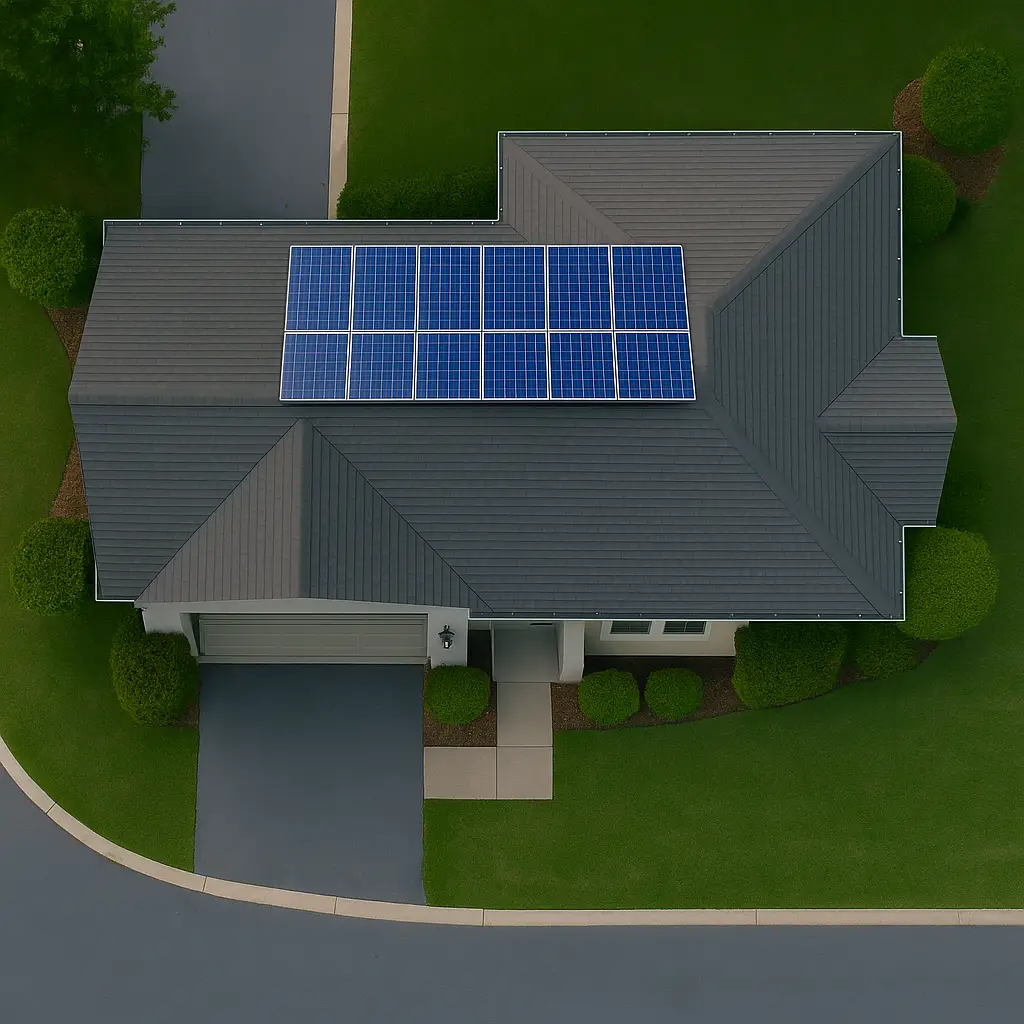
Why Solar Makes Sense in Dallas
If you live in the Dallas-Fort Worth area, you’re sitting on one of the best places in the country for solar energy. Your home gets abundant sunlight, electricity rates are rising, and many homeowners are looking for a smarter way to power their homes. A well-installed solar system can reduce your monthly bills, increase your home’s value, and give you more control over your energy future.
The key is knowing what to ask, what to expect, and how to choose confidently. This guide walks you through everything you need — from assessing whether your home is a good fit, to financing, installation, incentives, and what happens after the panels go up.
1. Is Your Home a Good Fit for Solar?
Roof condition and orientation
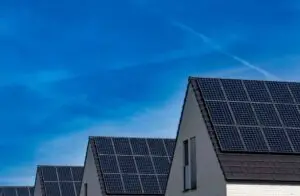
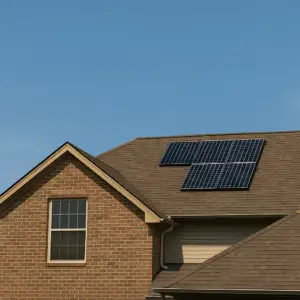
Start by looking at your roof. If your roof is older (10 + years) or needs major repairs, it’s wiser to fix it first. Solar panels are long-term, they last 20+ years, and you don’t want to remove them later for a roof job.
In Dallas, roofs facing south (or southeast/southwest) provide the best production, but east/west facing roofs can still work well. According to solar-specific research, even east/west roofs may reach 85-90% of optimal production if installed correctly.
Sunlight and shading
Check for trees, chimneys, vent stacks, or neighboring structures that cast shade. Even a little shading can reduce output significantly. A good installer will perform a shading analysis using software and real-site data.
Local climate
Dallas sees hot summers, strong sunlight, and occasional storms and hail. Panel choice and mounting quality matter. You’ll want equipment rated for wind and hail resistance and a team familiar with local codes.
Roof size and angle
You’ll need enough roof area to mount sufficient panels. Research shows many Dallas homeowners need 20-30 panels (depending on wattage) to cover most usage. A typical tilt angle in the area for fixed panels is around 28-32 degrees.
Summary
If your roof is in good shape, has decent exposure to sun, and you’re on a typical utility rate, you’re likely a good candidate. The next step is sizing, cost, and incentives.
2. How Much Will It Cost & What Savings Can You Expect?
Typical costs
In Dallas, installation costs vary widely depending on system size, panel type, home usage and more. Recent data estimates: an average 8-12 kW system might cost between $20,000 and $37,000 before incentives. Angi
Another source lists a smaller system (~7.7 kW) at around $17,944 before incentives. EcoWatch
What affects cost
- System size (larger homes / higher usage = larger system)
- Panel efficiency (higher efficiency panels cost more)
- Roof complexity (multiple roof levels or steep slopes increase labor)
- Mounting hardware and inverter technology
- Permits and code compliance
Incentives and payback
A major benefit for Dallas homeowners is the federal solar tax credit, currently 30% of system cost, which can reduce your net cost significantly.
Texas also offers property tax exemptions for solar so your home value increase due to solar won’t raise your property tax.
Regarding payback: some systems in Dallas show payback periods as low as 9-12 years, meaning after that you’re generating free electricity. For example, average monthly bill reduction from $162 to $18 per month was reported in one guide.
Realistic savings
If your electricity bill is $150-$250/month, a solar installation could reduce that significantly, potentially saving $1,000-$1,500/year under good conditions. Over 20-25 years, that adds up to $20,000-$40,000 or more, depending on usage and system size.
3. Choosing the Right System & Equipment
Panels
Look for high efficiency (mono-crystalline is common), strong warranties (25 years+), and certifications for durability (hail, wind, heat).
Inverters & hardware
Your inverter converts panel DC power to usable AC power. Options include string inverters or microinverters. Check warranties and reliability. Wiring, mounts, rail systems, all matter.
Battery storage
If you’re looking for energy independence or backup during outages, consider battery storage. It adds cost but increases resiliency and uses more of your own solar energy.
Mounting & installation quality
Mounts must be rated for local wind loads and anchoring must be solid. Poor mount installation is a frequent cause of system issues in storm-prone areas like DFW.
Installer experience
Choose an installer with proven experience in the Dallas area, good reviews, transparent pricing, and local certifications (especially for building permits and grid interconnect). Local knowledge matters.
System sizing and design
A good installer will design your system based on your actual usage history, roof layout, shading, tilt, and your goals (bill reduction vs full offset). Make sure you see the design and savings projection.
4. Step-by-Step: The Solar Installation Process
Step 1: Initial consultation
You’ll provide your address, recent utility bills, and system interest (with or without battery). The installer evaluates whether your home qualifies.
Step 2: Site assessment & design
An installer or surveyor visits your home (or uses software) to measure your roof, determine orientation and shading, inspect condition, and plan panel layout.
Step 3: Proposal and contract
You receive a detailed proposal: system size, equipment specs, cost before and after incentives, payback estimate, timeline, warranty details. Review carefully.
Step 4: Permits and approvals
Your installer obtains building permits, electrical permits, and submits paperwork to your utility (e.g., Oncor Electric Delivery, TXU Energy etc.) for grid interconnection. In Dallas this can take days to weeks.
Step 5: Installation
The actual install typically takes 1-3 days for a residential system. Workers mount rails, attach panels, run wiring, install inverter, and ensure safety compliance.
Step 6: Inspection & activation
Once work is complete, building and electrical inspectors approve the installation. Then your utility grants final interconnection approval. Then you flip the switch and start producing energy.
Step 7: Monitoring & warranty
Modern systems include monitoring apps so you can track production and savings in real-time. Ensure your system is covered by warranties (equipment and workmanship).
5. Financing, Ownership & Agreements
Ownership models
- Cash purchase – you pay upfront, you own the system, you claim incentives.
- Solar loan – you finance at low interest, you own system, you still claim incentives.
- Lease / Power Purchase Agreement (PPA) – third party owns system, you pay for energy produced; you may have less control and fewer incentives.
What to ask
- What interest rate and term for the loan?
- What happens if you sell your home?
- Are there early termination fees?
- What warranty is included and for how long?
- Will you own the incentives (tax credit etc.)?
Return on Investment
Ask for a realistic ROI calculation: cost after incentives, expected production, system degradation over time, utility rate escalation, payback period.
6. Incentives, Rebates & Regulations in Dallas
Federal Tax Credit
Currently you can deduct 30% of eligible system cost from your federal taxes. This greatly improves your payback.
State and local benefits
- Texas offers property tax exemption for solar energy systems — your increased home value from solar won’t raise property taxes.
- City of Dallas permit checklist shows specific requirements for residential solar installations.
Utility buy-back / net metering
While full traditional net-metering is not guaranteed in Texas, several utilities provide credit or buy-back programs for excess production. Ask your installer about your specific utility area.
Consumer protection & regulations
Texas has taken steps to ensure solar installers follow proper practices. Homeowners should verify installer credentials and be wary of high-pressure sales.
7. Common Mistakes and How to Avoid Them
Mistake: Choosing lowest price
A low offer may come with inferior equipment, poor installation, or weak warranties.
Mistake: Neglecting roof condition
If your roof is compromised, you’ll pay again later for removal and re-installation.
Mistake: Ignoring shading
Panels blocked by trees or future construction can lose large portions of output.
Mistake: Over-optimistic savings estimates
Ensure quotes include realistic production numbers and account for system wear.
Mistake: Not checking installer credentials
Verify licenses, experience, local reviews, and workmanship warranties.
Mistake: Missing the incentive window
Federal and local incentives may change; acting sooner keeps more value.
8. What Happens After Installation
Monitoring and performance
Use your monitoring app or portal to track production. If output drops significantly, contact your installer.
Maintenance
Solar systems require minimal upkeep. Most homes only need a panel rinse or inspection once a year. Ensure inverter is functioning and panels are clean.
Home resale value
Homes with owned solar systems often sell faster and at higher value in DFW. Research shows an average value increase of around 4% for homes with solar.
Upgrades and expansion
If your usage changes (EV charger, home addition), talk to your installer about adding more panels or a battery system.
9. Why Choose Destined Energy
When you pick Destined Energy, you’re choosing a local DFW team with deep experience in Dallas-area installations. We tailor your system to your home and usage, handle permits and interconnection, and deliver long-term support. With transparent pricing, high-quality equipment, and a focus on real savings, you’ll move forward with confidence.
10. Getting Started: Your Free Assessment
Here’s how you begin:
- Fill out a brief form with your address and utility bill.
- Receive a custom design and savings projection based on your home.
- Decide if you’d like to move forward — no obligation.
Your free assessment will show whether solar makes sense for your home, how much you could save, and what your system will look like.
Final Word
Now is the time to take control of your energy. With strong sunlight in Dallas, rising utility rates, and generous incentives, a solar system can be a smart investment. Use this guide to ask the right questions, choose wisely, and ensure your installation gives you real savings for years to come.